10 Italian desserts and gelato: Ideas and Practical Planning
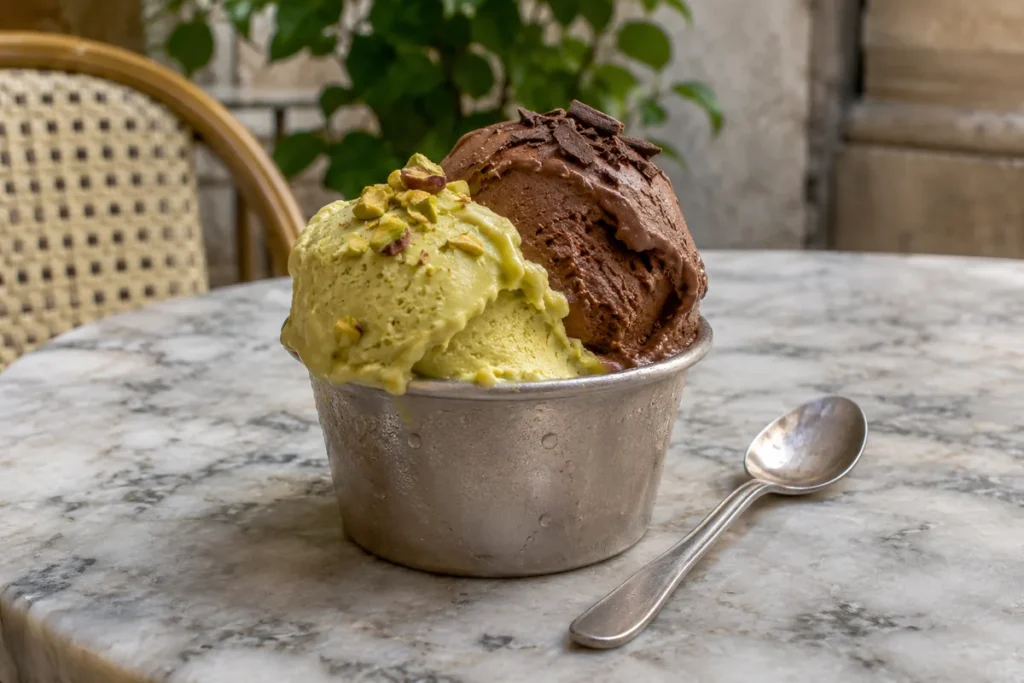
Regional sweets add variety to an itinerary; choose them for the place and preparation rather than relying on appearance alone.
An editorial selection for planning, based on local interest, variety, route fit and practical access. These are suggestions to compare, not a measured popularity ranking or a claim that every stop suits every traveller.
Italian desserts and gelato: quick answers
- Main focus
- Italy
- Time to allow
- Choose one main experience per day, including travel
- First decision
- Choose one geographical cluster and a manageable daily plan
- Booking priority
- Arrange limited-capacity visits before flexible walks
- Prices
- No live rates quoted; use current official information
- Images
- Any image labelled as generated is an illustration, not evidence of an actual stay or visit
In this guide
The top 10: choose what fits your trip
1. Gelato tasting
A small serving lets you compare flavours without making the stop a long detour.
Practical planning: Ask about ingredients and allergens rather than judging quality only by colour.
Compare the actual format before committing. A private session, a small-group programme and independent visiting can deliver different amounts of time, support and participation even when the activity name is similar.
2. Sicilian cannoli
The pastry and filling provide a recognisable regional experience.
Practical planning: Ask when they are filled and check dairy and nut ingredients.
Plan the meeting point and the journey after the experience as carefully as the main booking. Include luggage, local transport and any required arrival margin in the day’s schedule.
3. Sicilian granita
The chilled speciality can be part of a relaxed breakfast or daytime break.
Practical planning: Check the actual flavours and what is included with any accompanying bread.
Ask what is included in the quoted product. Admission, equipment, food, transfers and specialist guidance should be clear rather than inferred from a broad description or a promotional photograph.
4. Neapolitan sfogliatella
The layered pastry gives a local bakery stop a clear focus.
Practical planning: Ask about filling and whether the version differs from what you expect.
Check whether the experience fits the group’s interests and pace. Choosing a shorter, suitable format is often better than buying the longest programme and needing to leave early.
5. Lecce pasticciotto
The small filled pastry suits a slower Salento café break.
Practical planning: Check the filling, allergens and serving temperature.
Keep the itinerary focused on one area for the day. Adding a distant second activity can remove the time needed to enjoy the first one and make changes harder to manage.
6. Sienese panforte
The dense regional sweet is different from a light cake or breakfast pastry.
Practical planning: Ask about nuts and ingredients before buying.
Confirm the conditions that could alter the programme. Weather, operating calendars, group numbers and local access rules can matter, and the provider’s written terms should explain the alternatives.
7. Tuscan cantucci
The biscuits connect a simple sweet stop with regional food traditions.
Practical planning: Choose a non-alcoholic pairing if needed and check ingredients.
For anything involving specialist equipment or terrain, use a suitable qualified provider. A general travel guide cannot replace individual instruction, current local assessment or the provider’s eligibility requirements.
8. Turin chocolate
The city’s chocolate associations can support a focused shop or tasting visit.
Practical planning: Distinguish a retail purchase from a booked production experience.
Check access requirements directly for the actual venue and route. The same activity label can involve very different surfaces, steps, transfer methods and lengths of time on your feet.
9. Tiramisu
The dessert varies between venues and interpretations.
Practical planning: Ask about raw egg, alcohol and other ingredients if relevant to your group.
Give the experience enough space around it. A slower meal, rest or short walk nearby can be a more useful addition than another fixed-time reservation in a different part of the region.
10. A seasonal local pastry
A bakery’s current speciality can be more rewarding than seeking the same sweet in every region.
Practical planning: Ask what is typical locally and what has been prepared that day.
Choose an alternative that you would still enjoy if the original plan cannot run. Read the cancellation and rescheduling rules before paying so that a change does not become an unexpected dispute.
Choose the actual experience
Compare the venue, provider, route and amount of participation. A broad activity label can describe very different products. Read the current programme and choose a format that suits your group’s time, mobility and interests.
Make one clear daily plan
Choose the option that best fits Italy and the rest of your itinerary. Allow for travel, waiting and rest as well as the advertised experience itself. If you need a specific language, room for equipment or an adapted route, ask before paying.
Keep a useful alternative
Operating calendars, weather and site restrictions can change. Compare the provider’s written cancellation terms and choose a nearby alternative you would still enjoy. Do not assume a broad activity name guarantees access to a particular site, event or facility.
Questions and answers
Should I book every option on this list?
No. These are alternatives to compare. Choose one suitable format and build enough time around it.
What should I check before booking?
Confirm the actual venue or route, participation, inclusions, access needs and cancellation terms for your date.
Are the same experiences available all year?
Not necessarily. Seasonal operation, weather and local access can change what is offered. Use current official or provider information.
Sources and current visitor information
Prepared 28 October 2026. Use the responsible attraction, operator or property for current arrangements. This guide does not guarantee admission, availability or a particular experience.